With cleanrooms, there isn’t a lot of room for error.
A controlled environment can have the most advanced filtration systems, or the perfect design on paper, but if certain aspects are ignored in practice, it won’t matter one bit.
Everything has to work together in unison, and seemingly small mistakes can compromise the entire environment.
Lucky for us, most of these mishaps are avoidable, though it’s hard to say they’re uncommon.
Some of them put your cleanroom at risk. Others might cost you money for no reason.
In this article, we’ll go over some of the most common mistakes we see in cleanrooms, as well as what you can do to prevent them.
1. Over-Classifying the Space
Every step up in ISO class generally means more air changes, more filter coverage, and therefore more energy. If your process only needs ISO 7, then running it in an ISO 6 space is wasting money.
And in a lot of cases, only a specific zone actually needs the strictest classification. A laminar flow hood or workbench over the important area can get you there without having to classify the whole room to a higher standard.
2. Not Taking Gowning Seriously
People are the biggest source of contamination in any cleanroom. Even standing still, a person sheds thousands upon thousands of particles per minute. With walking or other types of movement, it’s even higher.
If gowning procedures aren’t being followed, or the gowning area isn’t designed properly, the rest of the cleanroom’s systems can only do so much.
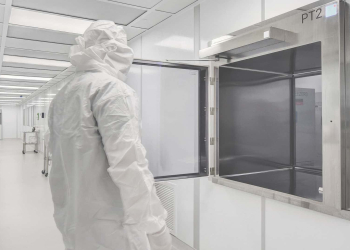
This includes things like wearing the wrong garments for the classification, skipping steps in the gowning order, or not having a proper gowning room in the first place.
3. Letting Pressure Differentials Slip
Pressure cascades keep air flowing from cleaner areas to less clean ones. If there are worn door seals, duct leaks, or even something as simple as someone propping a door open, then the differential can drop, which means unfiltered air starts flowing the wrong direction.
The tricky part is that nothing necessarily looks wrong when it happens. You don’t find out until the particle counts come back.
4. Bringing in Things That Don’t Belong
There are many things that you should never bring into a cleanroom, such as cardboard, regular paper, pencils, phones, jewelry. It all introduces contamination.
It may seem obvious, but it keeps happening, especially at facilities where training doesn’t get refreshed often enough, or where new hires aren’t properly onboarded.
Even something as simple as reaching under your gown to grab your phone can undo the entire gowning process.
5. Putting Off or Delaying Maintenance
Sometimes businesses drag their feet on basic maintenance, like changing or cleaning filters. This can make fans work harder and increase your energy bills. It also wears them out faster.
There’s also worn door seals to watch out for. You don’t want pressure to leak.
None of this is exciting to deal with, but ignoring it is one of the quickest ways to create real problems.
6. Not Thinking Ahead
A cleanroom that works today might not fit what you need in two years. If your classification changes, production grows, or your process evolves, the cleanroom has to be able to keep up.
This is one of the reasons modular cleanrooms exist.
They’re built to be reconfigured and expanded, which is a lot easier than tearing out a stick-built room and starting over. It’s worth thinking about at the design stage rather than after the fact.
The Bottom Line
Most cleanroom problems don’t come from bad equipment or bad design. They come from things that are easy to overlook and easy to fix. Getting the basics right goes a long way.