

Food and Beverage Cleanrooms
Imagine your bottling line crippled by a microbial outbreak, with recalls costing millions and FDA shutdowns driving your brand into the ground. Shelves empty as consumers abandon contaminated gummies or sodas. In today’s market, even a trace of E. coli or other microbes can erase years of trust. Food & beverage cleanrooms raise hygiene standards, cutting defect rates by up to 50% and extending product life by weeks.
Food cleanrooms are not optional; they are the shield against particles and microbes that can ruin batches and trigger recalls. With air controlled to limit microbial risk, powders and liquids arrive on shelves in pristine form. Skip this, and humidity surges could create mold, inviting FDA cGMP violations and costly lawsuits. Plants that invest in sealed facilities report 30% fewer contaminations and higher throughput without sacrificing quality. Done right, cleanrooms build trust and expand your buyer base.
These zones address live bacteria and dust through sealed construction that meets NSF hygiene standards. Food & beverage cleanrooms regulate air temperature and humidity during steam-heavy processes, preventing condensation that could fuel bacteria. Operators who neglect this face shelf-life collapses of 20%. Proactive ones extend shelf life through better moisture control. Rather than reacting to outbreaks, cleanrooms let you prevent them. Every investment translates into safer production and stronger margins.

Design Elements That Put Hygiene in First Place
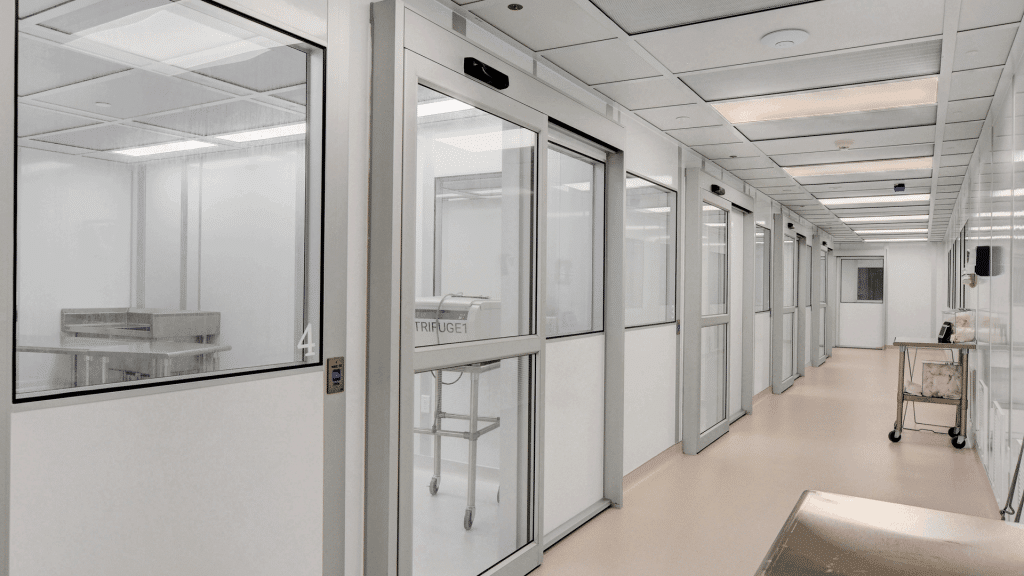
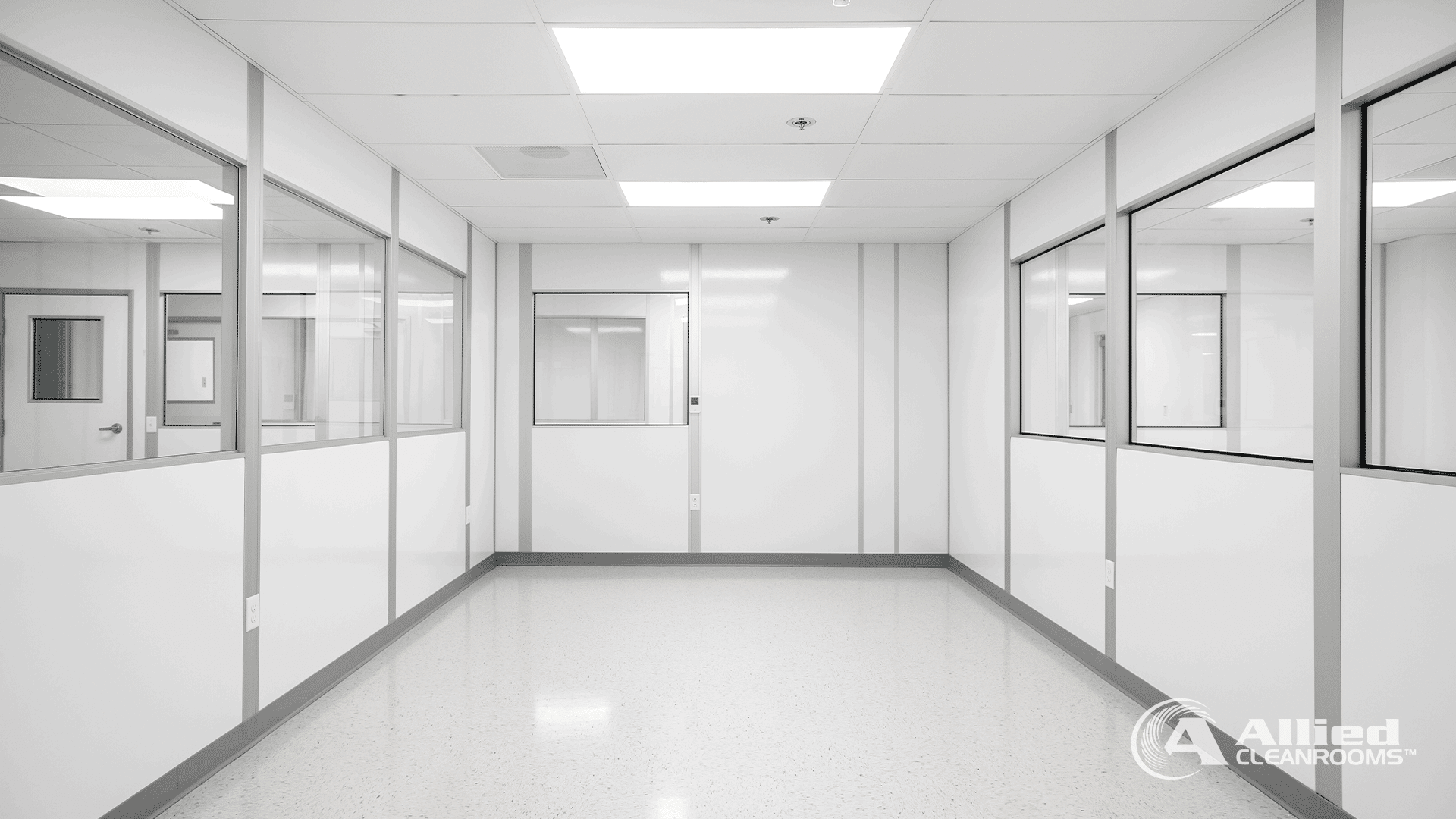
Sloped heat-welded vinyl floors with coves and drains remove standing water, starving bacteria of growth conditions and easing washdowns. FRP or stainless-steel walls withstand daily scrubs without developing cracks where grime can hide. HVAC systems regulate humidity and temperature so that microbial growth is prevented during food and supplement production. Recessed HEPA filters protect against moisture damage while maintaining ISO 7–8 air quality. The payoff is fewer cleaning cycles, lower labor costs, and nonstop production.
Gasketed conveyor ports pair with automation to eliminate bottling contamination risks. High-bay ceilings accommodate tanks while airlocks protect forklift entrances. Spill berms protect floors from acidic leaks in beverage operations. Facilities with these elements pass audits with ease, avoiding costly non-conformities. Strong design ensures durability and builds the foundation for sanitary success.
Practical Applications: From Bottling to Nutraceuticals
Cleanroom design is vital for bottling water or energy drinks, with HEPA systems blocking yeast that could spoil batches. In dairy or gummy production, cleanrooms extend shelf life by managing moisture risks. Controlled zones protect vitamins and dietary supplements, preventing cross-contamination of powders or liquids. Positive-pressure packaging reduces post-fill rejects by 25%, improving overall yield. These systems cut waste while enabling smooth scaling from pilot to full production.
Nutraceutical operations rely on cleanrooms to prevent humidity-driven clumping and microbial infiltration. Zoning separates risks and reduces human error recalls across snacks, drinks, and packaged foods. Companies that prioritize cleanroom operations capture up to 15% more market share due to consistent quality. Each cleanroom is a precision build, custom-fit to the production line.
Breaking Down Cleanroom Classifications: ISO 7–8 for Food Mastery
ISO 7 (Class 10,000) areas fit mixing and filling, capping particle counts to prevent mold in dairy or supplements. ISO 8 (Class 100,000) handles packaging where risks are lower and cost balance matters. Mismatched classifications allow microbes to spread, leading to FDA penalties and shutdowns. Correct alignment accelerates validation and reduces compliance risks. EU standards run parallel to ISO 14644, streamlining export approvals.
Each ISO classification corresponds to specific hazard levels, from steam-heavy beverage lines to powdered nutraceutical handling. Food producers who plan early avoid expensive retrofits later. ISO 7–8 facilities can flex from R&D into volume production without hygiene loss. The advantage is future-proof growth without operational compromise.
The Biggest Advantages of Modular Food Production Cleanrooms
Modular food cleanrooms meet FDA cGMP and NSF standards from the foundation up. They save months compared to traditional builds, getting operations running faster. Washdown-ready, chemical-resistant walls and drains cut maintenance costs by 35%. Scalable suites expand during demand surges like supplement booms. With moisture-proof HVAC systems, facilities achieve rapid ROI with minimal downtime.
Antimicrobial surfaces and sealed joints simplify swab testing for validation. Modular designs install 50% faster, letting firms outpace competitors in getting products to shelves. Focus on results with cleanrooms that grow, last, and deliver more than they cost. This approach drives efficiency and ensures long-term compliance.
Compliance: FDA cGMP, NSF, and More
Food cleanrooms must comply with FDA cGMP standards, which requires facilities where surfaces repel microbes from raw handling through packaging. NSF certifies equipment for food-grade safety, mandating seamless floors and walls. ISO 14644 enforces particle controls, while FSMA prioritizes prevention over reaction. Ignoring cracks or gaps leads to FDA 483s, while sealed facilities pass inspections cleanly. Compliance ensures hygiene and operational resilience.
Environmental sensors provide continuous monitoring and reduce audit preparation time by half. Companies aligned with FSMA export more easily without rework. Instead of slowing progress, compliance fuels innovation and growth. Those who embrace it position themselves as industry leaders.
Customizing Your Food & Beverage Cleanroom for Maximum Cleanliness
Choose FRP (fiberglass-reinforced plastic) walls to match humidity levels, and add ESD protection where equipment is static-sensitive. Pressure and humidity systems can be adjusted to fit bottling or mixing processes, while layouts integrate conveyors with bays for smooth movement. Sensors track environmental drift, and airlocks with gowning areas reduce contamination from operators. With the right customization, operating costs turn into measurable gains.
Stop Contamination
Food & beverage cleanrooms block particles, microbes, and humidity swings that cause recalls, fines, and brand damage. With air control, powders and liquids reach shelves in pristine form. Plants that invest in sealed facilities report up to 30% fewer contaminations and greater throughput without sacrificing quality.
Extend Shelf Life
Moisture control and positive-pressure zones keep bacteria out and freshness in. Proactive producers extend product life by weeks, cutting waste and protecting margins. Every investment in hygiene translates into safer production and stronger consumer trust.
Design That Works
Hygienic construction matters: sloped vinyl floors drain water, FRP or stainless walls resist cracks, and HEPA filters maintain ISO 7–8 standards. Add gasketed conveyor ports, high-bay ceilings, and airlocks for full protection. The payoff is nonstop production, fewer cleaning cycles, and smooth audit approvals.
Contact
Leave Your Cleanroom in Expert Hands


FAQs About Food Production Cleanrooms
How do cleanroom standards differ for beverages compared to other food products?
Both meet FDA cGMP, though beverages emphasize moisture control under NSF rules.
How do floors stop mold?
Sloped flooring with coves removes standing water that would otherwise feed bacteria.
What role does NSF play in food cleanrooms?
NSF certifies equipment and surfaces as food-safe, ensuring they don’t leach chemicals or break down during cleaning.
Do bottling and nutraceutical operations require different ISO classifications?
ISO 8 is typically used for bottling, while ISO 7 is required for nutraceutical mixing where higher precision is critical.
Can conveyors and tanks be integrated?
Yes, gasketed ports and high-bay installs keep them leak-free and sanitary.
