It is often said that the biggest source of contamination in any cleanroom is people.
Even while standing still, a person sheds around 100,000 particles per minute. Now add walking, head scratching, and other kinds of movement, and the total is raised to several million.
And this is exactly why gowning procedures exist, and why, if you’re operating a cleanroom, it is necessary to get them right.
In this article, we’ll cover what cleanroom gowning is, what’s required at different ISO classes, the basic process, and what your cleanroom needs to support it.
What Is Cleanroom Gowning?
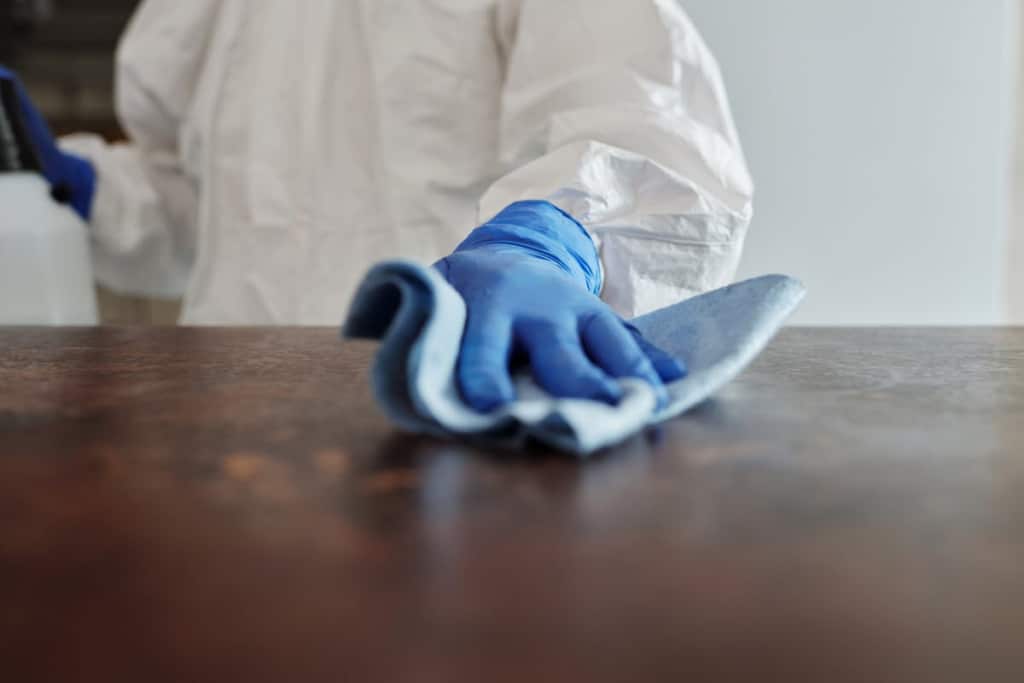
Cleanroom gowning is the process of dressing staff/personnel in garments before they enter a cleanroom. The task is simply to keep what’s on and in the human body from getting into the cleanroom environment.
This includes things like skin cells, hair, fibers from clothing, and microorganisms. Of course, gowning doesn’t remove contamination entirely. However, when it is done correctly and consistently, it does reduce the chances of it dramatically.
It’s important to note that “gowning” isn’t just about what is worn. It’s just as much about the order in which you put things on, as well as where you do it, and how you handle the attire.
Gowning Requirements by ISO Class
As you may have guessed, precisely what you need to wear in a cleanroom depends on its classification. Generally speaking, the stricter the space, the more coverage is required.
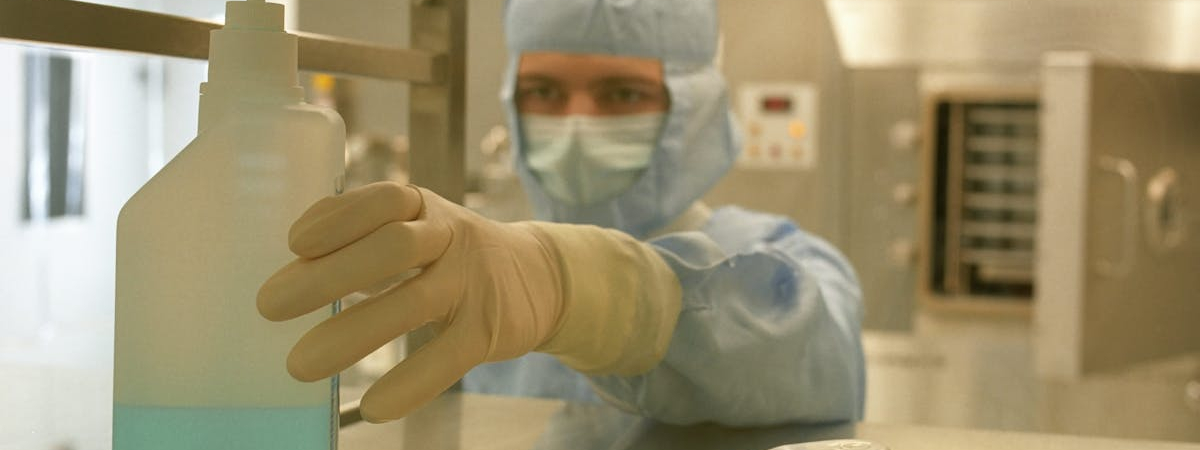
ISO 7/ISO 8: These are the least strict classifications for gowning. A frock or lab coat is often acceptable, in addition to shoe covers, a hair cover, a face mask, and gloves. This is the most common gowning for general manufacturing or assembly.
ISO 5/ISO 6: In these spaces, full coverage is typically required. This means a complete coverall (also called a bunny suit), a hood, boot covers, gloves, and in many cases, goggles. Such garments need to be made from low-linting, nonwoven materials so that they do not shed any fibers.
ISO 4 and Stricter: Gowning in these spaces can become much more demanding. Sterile, individually packaged garments are required, double gloving is common, and every step of the process needs to happen under aseptic conditions. In many cases, personnel entry is minimized as much as possible.
The Gowning Process
We could give you an entire step-by-step guide on gowning procedures here, but the exact steps vary by ISO class. The good news is that the underlying logic is more or less the same, that is, begin from the top and work downward, and never let clean garments touch dirty surfaces.
In other words, start with head coverings and work your way down. Gloves typically go on last, and should overlap the cuffs of your coverall. Before any of that, remove jewelry, cosmetics, and perfumes, as all these introduce contamination.
Within sterile environments, gloves need to be sanitized between each step. Nothing clean should contact anything that hasn’t been sanitized first.
De-gowning (Doffing)
De-gowning usually gets much less attention than gowning, but it’s still important, as removing garments in the wrong way can transfer particles and contaminants from the outside of your suit to your hands or clothing.
The basic principle is the reverse of gowning, in that you go from bottom to top.
Remove boot covers first, then the coverall, then the hood, and finally the gloves, which should always come off last since your hands are used to remove everything else.
Single-use items should be discarded. Reusable garments go to a pre-determined laundry area, but never to be taken home or washed in a regular machine.
What Your Cleanroom Needs to Help With Gowning
To make sure that your gowning procedures are effective, you also want to make sure the space is created correctly. Here are some of the most important design elements to think about:
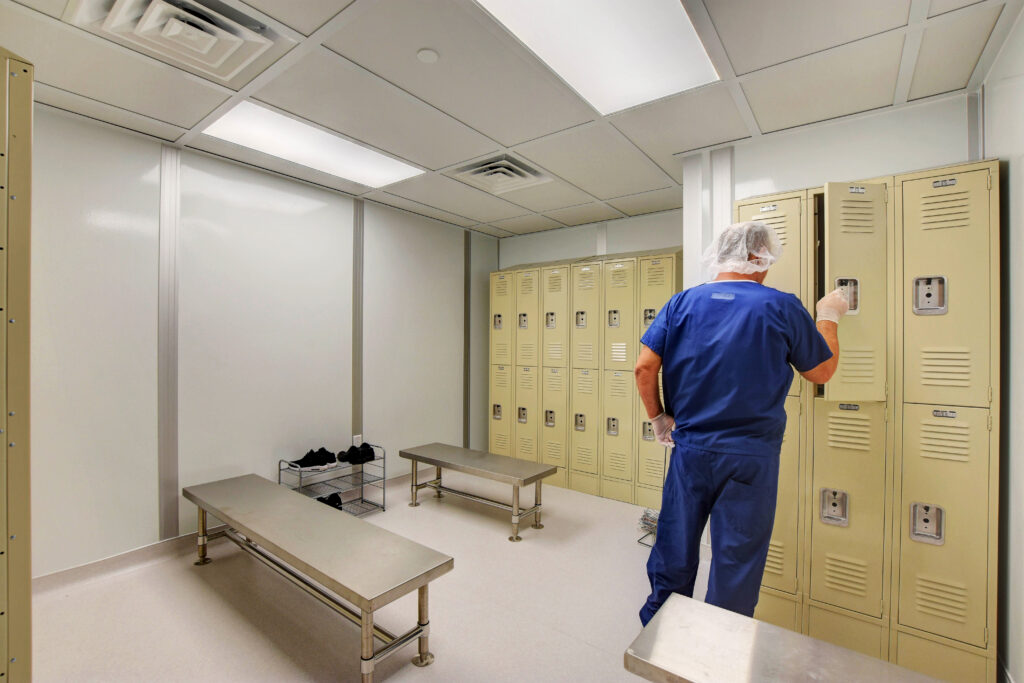
A gowning room or anteroom: You will typically find these for any cleanroom above ISO 8. Though some will have a line or bench on the floor separating the spaces, often it’s better as a separate classified space that can act as a buffer between the outside world and your cleanroom.
The right ISO classification: The gowning room should be one ISO class lower than the cleanroom it leads to. So if your cleanroom is ISO 7, the gowning room should meet ISO 8 standards.
A step-over bench: This divides the gowning room into a clean side and a dirty side. Personnel put on boot covers and swing their legs over to the clean side, keeping contaminated footwear from crossing over.
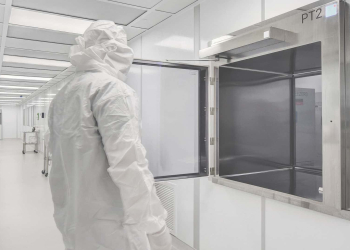
Interlocked doors: These prevent both doors from being open at the same time, which would otherwise create a direct path for unfiltered air to enter.
A tacky mat, mirror, and garment storage: Small details, but important ones. Personnel should be able to complete the full gowning process without having to improvise.
The Bottom Line
Given that people are often the biggest contributors to cleanroom contamination, proper gowning and related procedures ought to be high priority when operating a cleanroom. Not only that, but the right garments must be selected, in the right order, and in the right space, all of which work together. If you’re designing a new cleanroom or upgrading an existing one, making sure your gowning protocols are appropriate and relevant will save you from a lot of operational issues down the line.