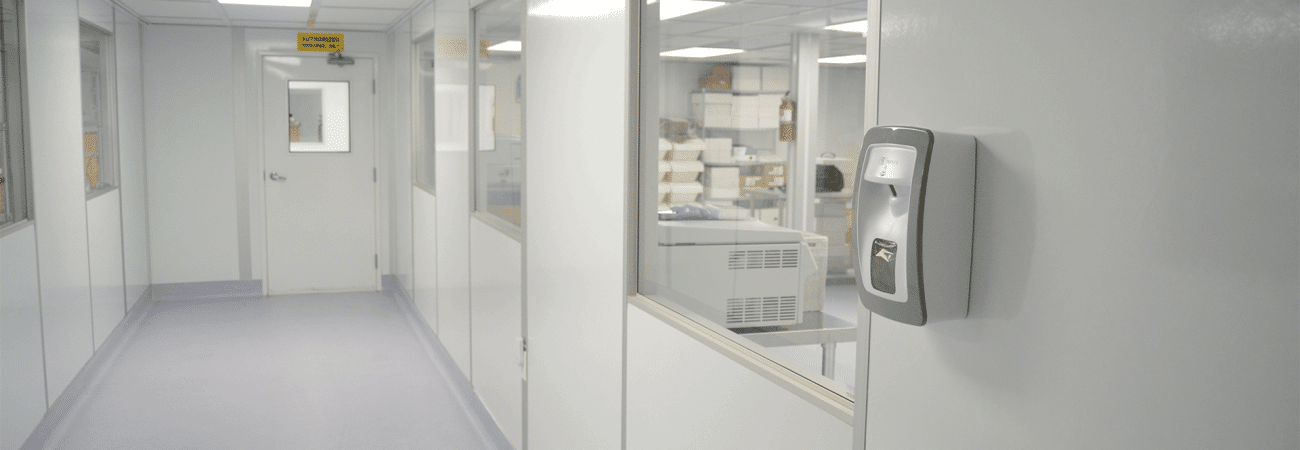
Even with advanced filtration systems, strict gowning procedures, and various controls, at the end of the day, a cleanroom is only as clean as what you let into it.
Every person or item that crosses the door’s threshold brings particles in with it, and so naturally cleanrooms have strict rules about what can and can’t come inside. Some of these rules apply everywhere, while others depend on the ISO classification and the kind of work being done.
Here are eight of the most common things that are either banned outright or heavily restricted in cleanrooms.
1. Food and Drink
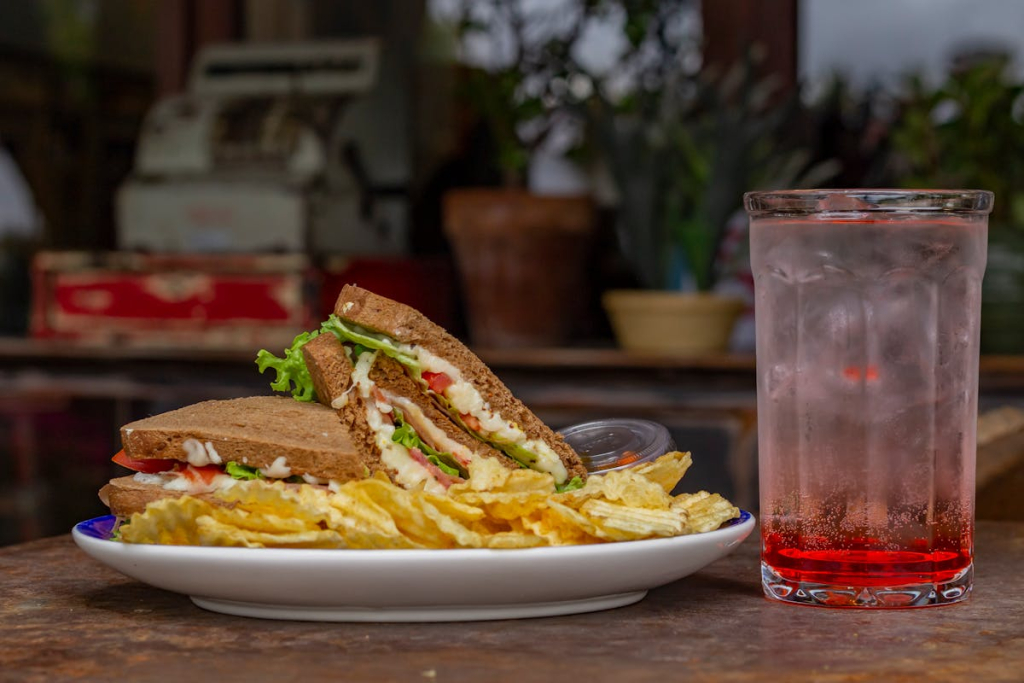
Let’s begin with the obvious. It should go without saying that food and drink are never to enter a cleanroom, regardless of classification. Eating and drinking disperse many particles, and crumbs or spills can invite mold, bacteria, or even insects. In an environment where there may be hazardous drugs or toxic chemicals, you probably shouldn’t put anything in your mouth anyway.
2. Gum and Chewing Tobacco
By the same token, you should not bring in gum or chewing tobacco either, as chewing itself generates particles. Spitting tobacco in a space that’s supposed to be sterile is about as bad as it sounds.
3. Cigarettes
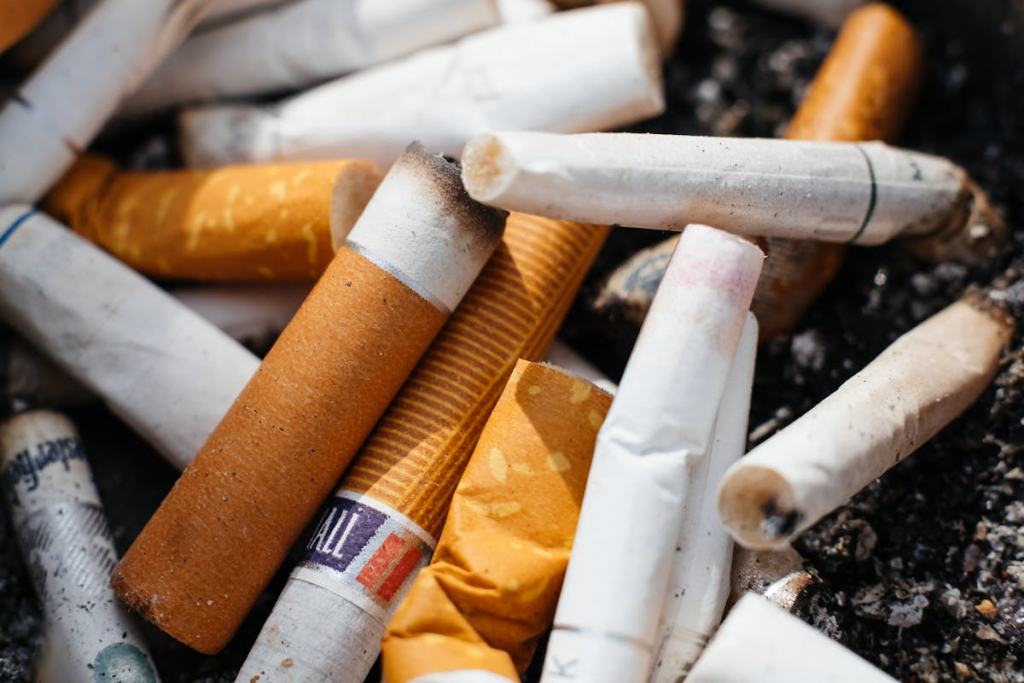
This should come as no surprise, but cigarettes are also prohibited. When lit, they produce smoke and ash, which are of course particle sources, and they’re a fire risk on top of all that. E-cigarettes aren’t any better, either, since the exhaled vapor still carries particles. And also, most people forget that smoking is a problem before you even enter the space, as smoke clings to skin, hair, and clothing. As a result, most facilities ask personnel to wait at least 30 minutes after a cigarette before entering.
4. Cardboard and Packaging
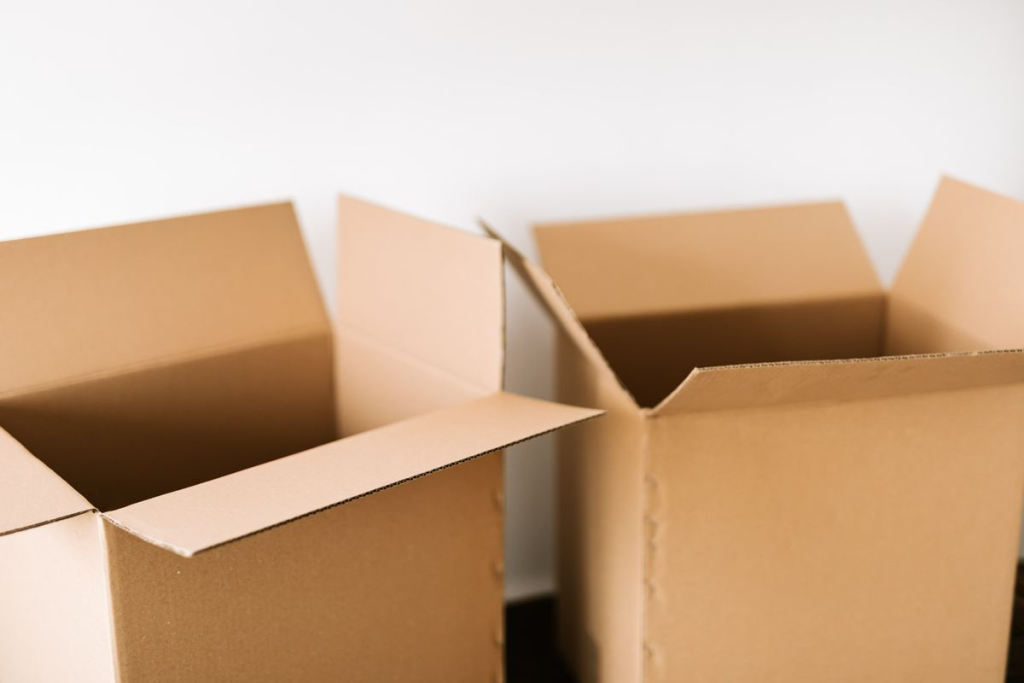
Cardboard might be the worst thing on this list. It sheds fibers even if only sitting on a shelf, and because it’s porous, it soaks up moisture and becomes a home for bacteria and mold. Styrofoam, bubble wrap, and most shipping materials have a similar problem. Anything that needs to go inside should be unboxed in an anteroom or staging area first, never in the cleanroom itself.
5. Regular Paper and Pencils
Believe it or not, ordinary paper is made from wood pulp, which means it also sheds fibers. Pencils are even worse, since the graphite flakes off as you write, and erasers shed even more. If you need to write something down in a cleanroom, there are special papers and pens that you should use. But many cleanrooms these days are skipping paper altogether and using tablets instead.
6. Phones and Electronics
Furthermore, phones and electronics can also create contamination issues, in a few different ways. First of all, they are not easy to clean. Bacteria can collect in the ports/seams, and the moment you reach under your gown to grab one, you’ve undone your gowning. Less strict cleanrooms may sometimes allow phones inside sealed pouches, but the stricter ones usually don’t allow them at all.
7. Jewelry, Makeup, and Perfumes
All kinds of jewelry, whether rings, watches, bracelets, or earrings, trap particles in their crevices, so they must come off before gowning. Makeup, nail polish, and false lashes are not great either because not only do they disperse particles but also various chemicals. Perfumes, colognes, and lotions are restricted too, for similar reasons. The strictest cleanrooms will of course ban all of it, but some of the lower classifications may be more forgiving.
8. Clothing That Leaves Skin Exposed
As is often repeated, skin is one of the biggest particle sources in any cleanroom, and this is why anything that leaves it bare works against you. This of course rules out shorts, skirts, tank tops, sandals, and other open-toed shoes. Before gowning, personnel are usually expected to have long pants, closed shoes, and at least a short-sleeved shirt underneath.
The Bottom Line
In short, what’s allowed or not allowed all comes back to one central idea. If something sheds particles, or has the potential to carry particles, or else gives microorganisms a place to grow, it probably doesn’t belong in a cleanroom. The exact list is not static, and will shift depending on the ISO class and requirements of your industry, but the eight items above are a safe starting point for almost any controlled environment.