

Cleanroom Design Services
In controlled environments, intentions alone aren’t enough. How a cleanroom is designed decides its safety and effectiveness. Every square foot, air exchange, and workflow must be intentional. Expert cleanroom design ensures compliance, efficiency, and longevity. Poor design risks contamination, wasted energy, and costly rework.
A cleanroom is an engineered system, not just filtered air. The right design eliminates redundancies and ensures ISO 14644 compatibility. It creates a productive environment for reliable products and processes. Poor design leads to contamination and workflow delays. Professional design safeguards your reputation and bottom line.

Why Cleanroom Design Matters
Many institutions undervalue proper space planning and engineering. Subpar designs make contamination inevitable and disrupt workflows. Cleanrooms are more than clean walls and filtered air. They protect your compliance record and financial health. Poor design can jeopardize regulatory approvals.
A well-designed cleanroom delivers measurable benefits. It provides ISO 5–8 zoning tailored to cleanliness needs. Smart planning of material and employee movement reduces contamination risks. Integrated HVAC and HEPA/ULPA systems maintain stable conditions. Expandable layouts support future production growth.
Four Steps to Success
A disciplined four-step methodology ensures cleanroom project success. Needs Analysis defines scope, regulations, and industry requirements. Whether for cGMP, semiconductors, or aerospace, it sets the foundation.
Conceptual design outlines zoning, pressure cascades, and modularity. This balances airflow, temperature, and pressure needs.
- The first step in any project is what we call project discovery. We have a call with the client to gather information and determine whether we are a good fit for the project.
- Step two is what we call solution design. We help map out the workflow with direct interaction with users and develop a preliminary design with all stakeholders involved. Then we develop a full bill of materials (BOM) and present a final proposal.
- Step three is where the magic happens. Since the full BOM and scope of work is completed, the project moves seamlessly into the manufacturing plant and begins production. A full-time project manager is then introduced to the client, and we continually communicate throughout the entire duration of the project.
- The final step, step four, is delivery and installation, where we coordinate delivery, installation, and any other services that were part of the initial contract.
Detailed engineering turns concepts into build-ready CAD and BIM drawings. Wall systems, floors, ceilings, and HVAC are designed for cleanability and compliance. Validation-Ready Documentation provides IQ/OQ/PQ packages for ISO and cGMP certification. This streamlines approvals and audits. The process minimizes errors and ensures success.
Industries That Depend on Precision
Cleanrooms vary by industry, each with unique standards and risks. Pharmaceutical and biotech spaces demand stringent ISO classes and USP 797/800 compliance. Medical device and diagnostic labs prioritize patient and product safety. Semiconductors and electronics facilities need ESD-clean environments with precise airflow. Satellite maintenance requires contamination-free spaces for optics and sensors.
Healthcare and hospital processing departments rely on consistent cleanliness. Food and beverage sectors need sanitary, agile designs for packaging. Well-designed cleanrooms reduce risks across these industries. They ensure compliance and operational readiness. Customization aligns with specific performance needs.
The Advantages of Professional Design
Professional cleanroom design is an investment, not a cost. It prevents long-term expenses from errors and inefficiencies. Turnkey solutions include consulting, design-build, and certification. Designs meet FDA, ISO, USP, cGMP, and NASA standards. Proven workflows and modular systems cut project lead times.
Modular designs offer flexibility for evolving business needs. Efficient airflow and energy management lower operating costs. Regulatory mastery ensures compliance from the start. Smart design saves hours in compliance and maintenance. It delivers peace of mind and operational confidence.
Customization Options That Matter
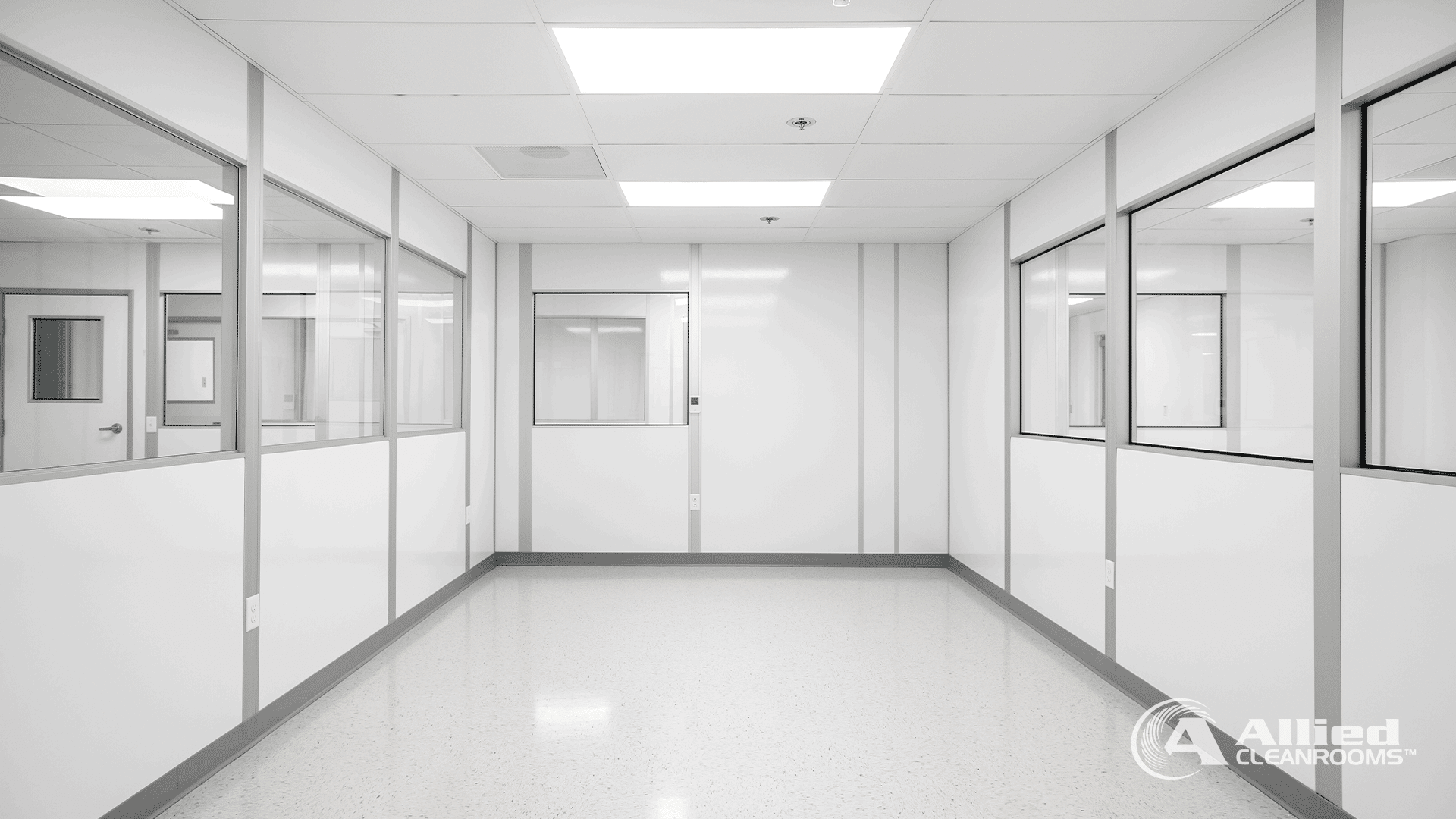
Custom cleanroom design is a necessity, not a luxury. Hardwall, softwall, or hybrid systems can fit both budget and performance needs. Trusted HVAC systems control temperature, humidity, and pressure precisely. Flooring options like seamless vinyl or epoxy suit specific industries. Advanced lighting improves visibility and compliance, while dedicated material transport solutions keep workflows efficient and controlled.
Real-time environmental monitoring ensures consistent performance. Pass-throughs, air showers, and gowning rooms support clean operations. Amber lighting suits photolithography, while LEDs boost efficiency. Every element is designed for regulatory approval. Customization ensures consistency and compliance.
The Bottom Line
Cleanrooms are microcosms of contamination and cost control. Poor design leads to inefficiency and non-compliance. Professional design ensures precision, scalability, and compliance. It’s more than just drawings; it’s a plan for success. The right partner exceeds standards, ensuring operational goals are met.
In fields where errors cost millions or lives, shortcuts are not an option. Turnkey solutions and advanced filtration deliver reliability. Expert design minimizes risks and maximizes performance. Every detail is engineered for your future success. Choose precision to protect your processes and reputation.
Design That Works
The success of a cleanroom starts long before the first panel goes up. A smart design limits contamination, keeps airflow balanced, and saves energy. Good planning means smoother audits and fewer problems later. It’s how a project stays clean, safe, and compliant from day one.
Built For Your Industry
No two industries share the same rules. A medical lab, a chip plant, and a satellite shop all face different risks. Each design is adjusted for that reality, meeting ISO, FDA, and other relevant standards while keeping people, tools, and materials moving safely through every stage.
Custom Choices
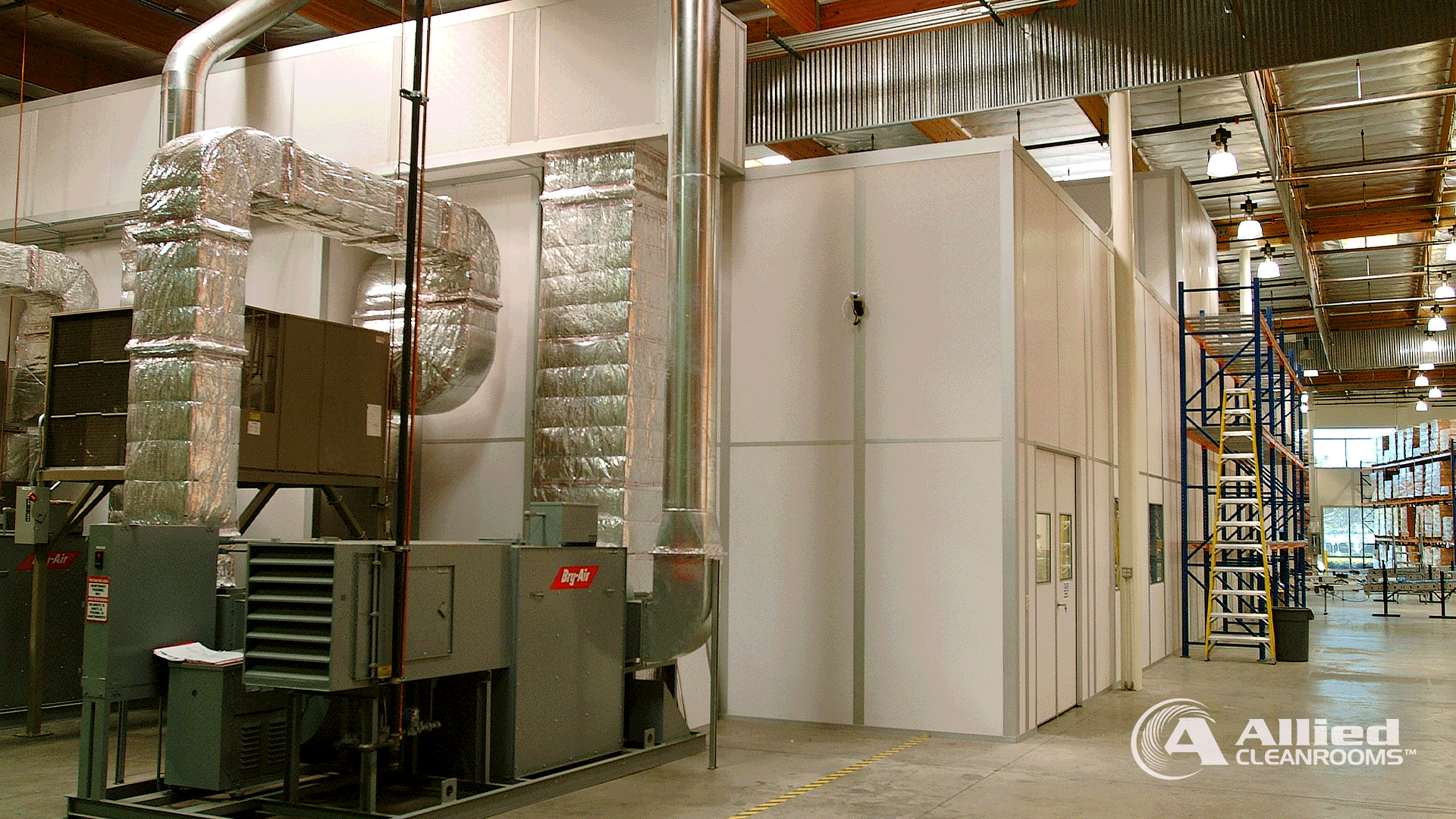
Hardwall or softwall, big or small, every cleanroom can be built around your space and budget. Modular layouts expand as production grows.

Contact
Leave Your Cleanroom in Expert Hands


FAQs About Cleanroom Design Services
What is the distinction between cleanroom consulting vs. design?
Consulting identifies requirements and compliance goals, while design creates workflow and engineering solutions.
How long does it take to design a cleanroom?
Timelines depend on the modular strategy but are typically faster than traditional builds.
Is it possible to bring modular into compliance with FDA and ISO 14644?
Yes, modular cleanrooms often exceed standards due to factory-controlled quality.
What is included in the pattern package?
It includes CAD/BIM drawings, specifications, utility integration plans, and if purchased, engineering to submit to your municipality.
How does professional design help speed up certification?
Compliance-focused designs reduce rework, streamlining audits and validation.
