

Custom Cleanrooms
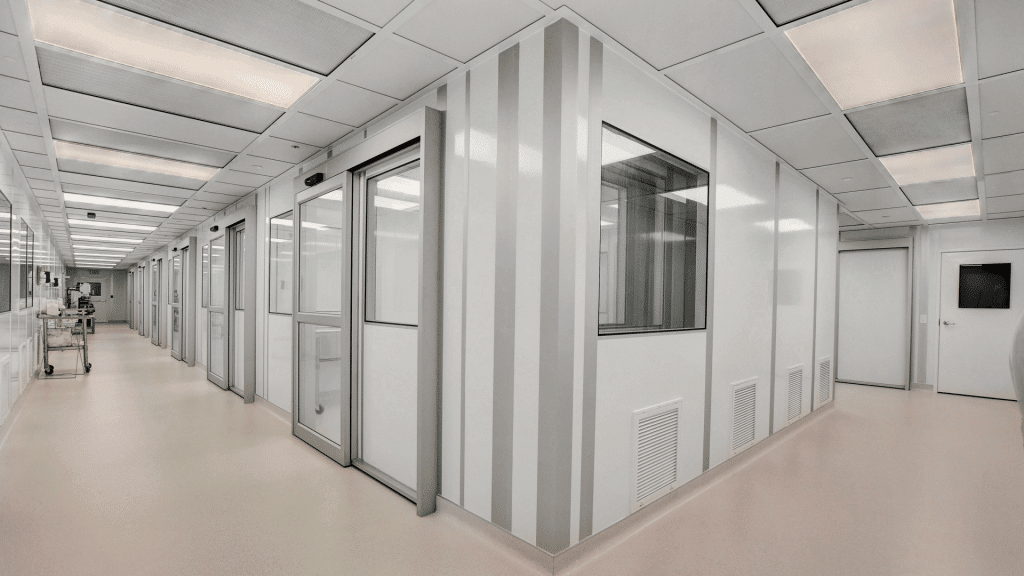
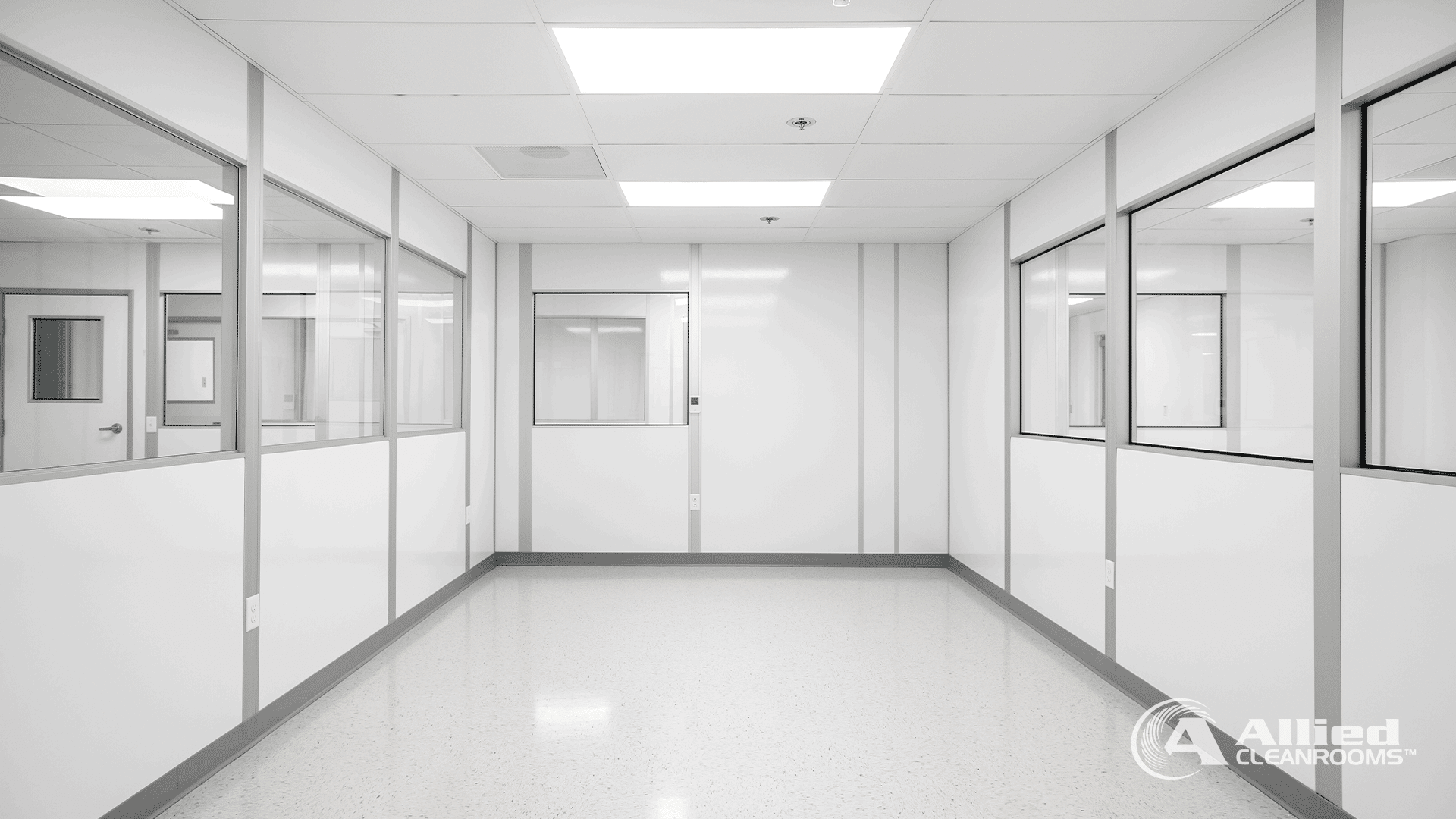
If you want a cleanroom that truly delivers on performance, compliance, and efficiency, a generic package won’t get you there. A custom cleanroom is more than walls and filters. It’s a space built around your process, your workflow, and your standards.
Pharmaceutical, medical device, aerospace, semiconductor, and advanced manufacturing companies are just a few of many that depend on work environments that fit like a well-tailored suit. The right design could save millions in downtime, failed audits, or product integrity.
No two operations are the same, but many plants try to fit their process into a preconceived cleanroom design. The result is inefficacy, higher costs, and unnecessary liability. This is why it makes sense to work with a cleanroom company that designs from scratch and creates an environment that supports your work instead of working against it.
You can choose flexible modular cleanrooms that grow with production, or permanent installations built for mission-critical work. Either way, customization pays off from day one.

Key Features That Deliver Results
When it comes to a bespoke cleanroom, the final measure isn’t just compliance with specifications but whether the installation is going to pay for itself in productivity, forward momentum, and profit. Some defining features include:
- Custom Design: Each room, hallway, and gowning area is mapped so you can avoid bottlenecks in your workflow.
- Adaptable Construction Options: Quick, deployable modular cleanrooms or long-term hardwall cleanrooms customized and designed to fit your requirements.
- Environmental Uniformity: Precise control of temperature, humidity, and pressure to meet ISO classes.
- Material Options: Long-lasting and cleanable FRP, stainless steel, HPL, or static-dissipative laminates.
- Air: HEPA or ULPA filters, BIBO containment systems, positive or negative pressurization, and room-side replaceable units.
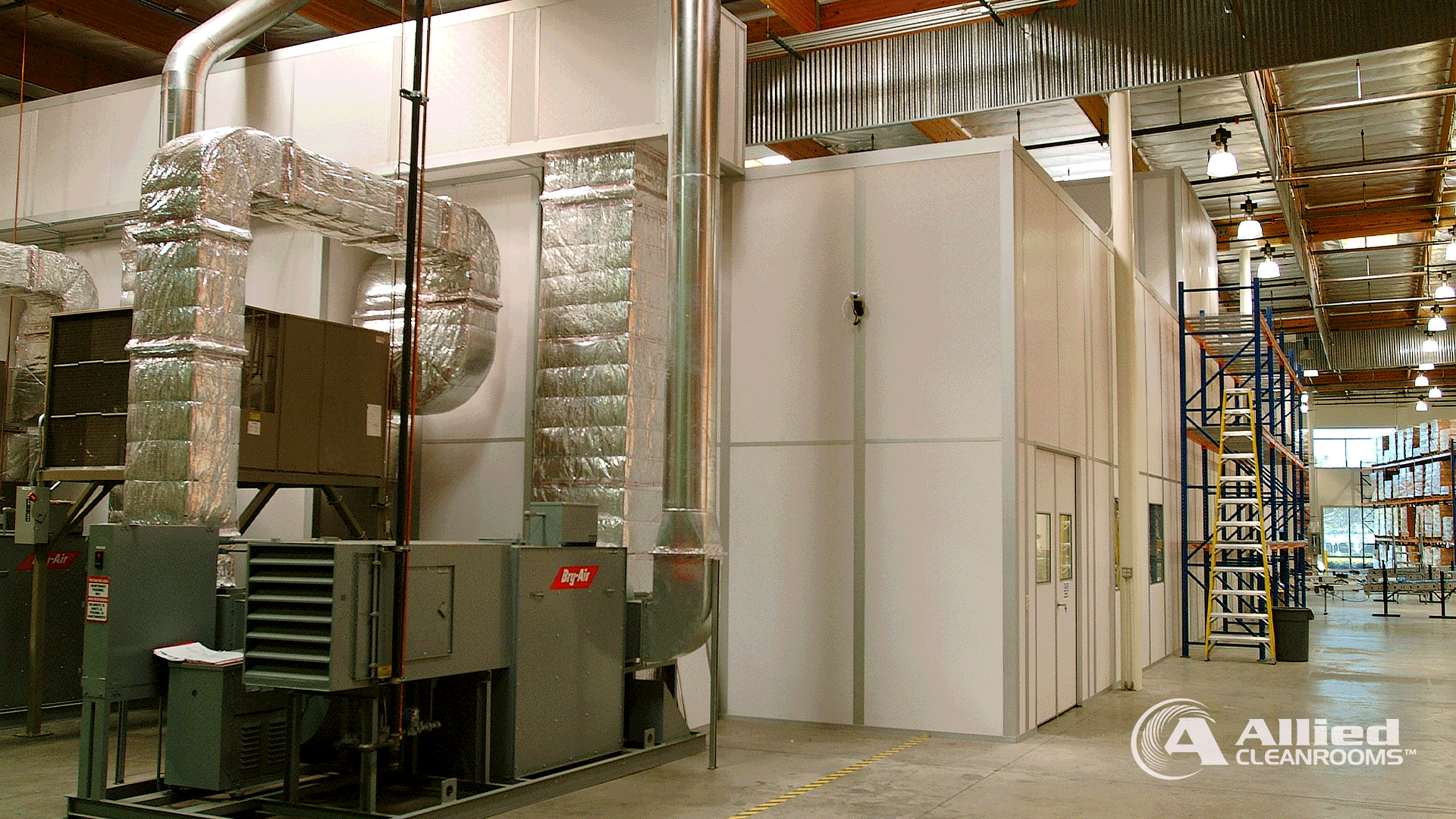
- Special Applications: High-bay housings, mezzanines/catwalks, oversized doors, or custom containment systems.
Every feature directly relates to results: more production, less risk of contamination, and smoother compliance audits.
Applications Across High-Stakes Industries
A custom cleanroom is not a one-size-fits-all asset for all companies. Their design varies widely by industry, ensuring compliance without compromise. Pharmaceuticals, biotech, aseptic compounding, formulation, and aseptic filling are among the few areas leveraging complete turnkey cleanroom suites. Other industries that depend on custom cleanrooms include:
- Medical Devices: Production of implantables or diagnostics in ISO 7–8 zones, including biowaste facilities and gowning areas.
- Electronics & Semiconductors: ULPA filtration, static control, and precision air handling protect multi-million-dollar wafers.
- Aerospace & Defense: Optics, engines, or satellite parts in manufacturing spaces that require ultra-clean air.
- Industrial Manufacturing: Special processes such as coatings, plastics, or composites.
The Future of Modular Cleanrooms
There is, of course, a place for traditional construction—but it can be expensive and slow. Numerous subcontractors extend timelines, add headaches regarding coordination, and increase compliance risks. On the other hand, modular cleanrooms are constructed in manufacturing plants and only require installation at the construction site. Their benefits include quick deployment, fixed upfront costs, and flexibility to scale or relocate. They also cut downtime, ease capital pressure, and put an end to the mess involved with workforce coordination.
Why Your Cleanroom Manufacturer Matters
More often than not, what separates disaster from success is simply who builds your cleanroom. An established cleanroom supplier offers much more than parts. They offer a solution engineered to perform, meet qualifications, and deliver ROI. With design and production under one roof, the proper partner ensures the quality remains reliable, and that results can be counted on.
The U.S. Manufacturing Advantage
A lot of people don’t consider where their cleanroom is made, but it can make or break a project. For many companies that import goods from China or Europe, shipment delays occur when products are stuck, off spec, or do not pass compliance checks. In productivity-driven markets that work with regulated industries, a single missing panel or failed certification can block production for weeks or months, which of course leads to lost revenue.
Dealing with U.S.-manufacturers, on the other hand, reduces lead times, allows for quicker replacements of parts, and ensures stricter quality control. If the design needs to be fixed, that can take days to correct instead of waiting for shipping from overseas, or more costs and delays from customs.
For those industries with compliance deadlines and launch dates that can’t be moved, American-based cleanroom manufacturing isn’t about convenience; it’s about insurance against expensive delays.
Compliant-by-Design and Confidence Baked In
In order to reach compliance for your cleanroom, it has to stand up to more than just a visual inspection. Cleanrooms are required to pass audits from agencies like the FDA, EMA, or ISO certifiers. Designing quality into your custom-built cleanrooms minimizes risks by aligning them with ISO 14644, FDA cGMP, USP 797/800, and EU Annex 1 standards. This results in fewer delays, less rework, and greater peace of mind for both your product and brand.
The Steps That Protect Your Investment
- Consulting & Design Review: Establish requirements, SOPs, and objectives.
- Design & Modelling: CAD/BIM tools for efficient floorplans and space planning.
- Material Selection: Choosing tough, compliant surfaces and systems.
- Fabrication & Installation: Parts made under controlled conditions for easy fit-up, with modular systems that install faster and minimize downtime.
The ROI of Custom Cleanrooms
A custom cleanroom is not a cost center; it’s an investment that, in the long run, pays back. It reduces exposure to contamination, increases productivity, and guarantees compliance while protecting revenue and market position. Firms that go with a custom environment experience fewer delays, quicker launches, and greater operational scale.
Instead of, “How much is a cleanroom?”, the better question is, “What does a poorly designed cleanroom cost you in missed opportunities, rework, and exposure?” Add in overseas sourcing delays and compliance headaches, and the case for a U.S.-manufactured cleanroom becomes clear.
Cleanrooms Built for Tomorrow
Markets evolve, regulations tighten, and technologies advance. Modular, future-ready, tailor-made cleanrooms let you stay ahead of the curve. They grow when you ramp up production, adapt to new processes, or expand into new markets.
For businesses that rely on precision and regulatory approval, the decision is obvious: purchase a U.S.-manufactured cleanroom built to your specifications. Otherwise, it’s a gamble with risk, lost time, compliance setbacks, and profit drains.
Built Around Your Work
Custom cleanrooms are made for your specific processes and standards. As a result, they avoid auditing issues and better protect products.
Flexible
Modular systems can be installed quickly and let you expand or reconfigure your space later without having to shut down production.
Compliant
ISO, FDA, and cGMP standards are built in and kept in mind from the start. This helps you pass audits, lowers your costs, and keeps revenue secure.
Contact
Leave Your Cleanroom in Expert Hands


FAQs About Custom Cleanrooms
Why should I choose a custom cleanroom instead of a standard one?
Generic cleanrooms often force your process to adapt to the space, creating inefficiencies and compliance risks. A custom cleanroom is designed around your workflow, standards, and industry regulations. This tailored approach prevents bottlenecks, reduces downtime, and ensures every feature supports your operations. In high-stakes industries, customization directly protects productivity and product integrity.
Which industries benefit the most from custom cleanrooms?
Custom cleanrooms are widely used in pharmaceuticals, biotech, medical devices, aerospace, semiconductors, and advanced manufacturing. Each industry has unique requirements, such as ULPA filtration for wafers, oversized doors for aerospace parts, or sterile compounding areas for pharma. Customization ensures your cleanroom meets exact compliance standards.
What are the main advantages of modular custom cleanrooms?
Modular cleanrooms cut construction time, lower costs, and reduce compliance risks compared to traditional builds. They are prefabricated off-site, then quickly installed with minimal disruption to production. This flexibility allows businesses to scale or reconfigure their facilities as needs change. For companies with tight deadlines, modular systems deliver speed and certainty.
How does U.S.-based cleanroom manufacturing reduce risks?
Working with a U.S. cleanroom manufacturer means shorter lead times, faster replacements, and stricter quality control. Unlike overseas sourcing, delays from shipping or failed certifications are minimized. Local production allows design changes and fixes to be completed in days, not months. For regulated industries, this is not just convenience – it’s protection against costly downtime.
How do custom cleanrooms ensure compliance and ROI?
Custom cleanrooms are built with compliance baked in, meeting ISO 14644, FDA cGMP, USP 797/800, and EU Annex 1 standards. This reduces the risk of failed audits, rework, or regulatory delays. At the same time, they improve efficiency, cut downtime, and protect revenue. The investment pays for itself by safeguarding product quality and accelerating time to market.
