A simple mote of dust in the wrong place at the wrong time can destroy products, and even make them dangerous to consumers. What’s more, this doesn’t usually happen by any dramatic actions, but mostly through negligence. Particles are so tiny and so invisible, that many of the necessary procedures appear silly or excessive, as if one were dealing with ghosts.
Yet, each of them is absolutely necessary to keep the space clean, and one slip-up can foil an entire operation. So, in this article, we’ll take a look at the top five causes of cleanroom contamination, those often invisible and frustrating sources of failure.
1. Human Beings
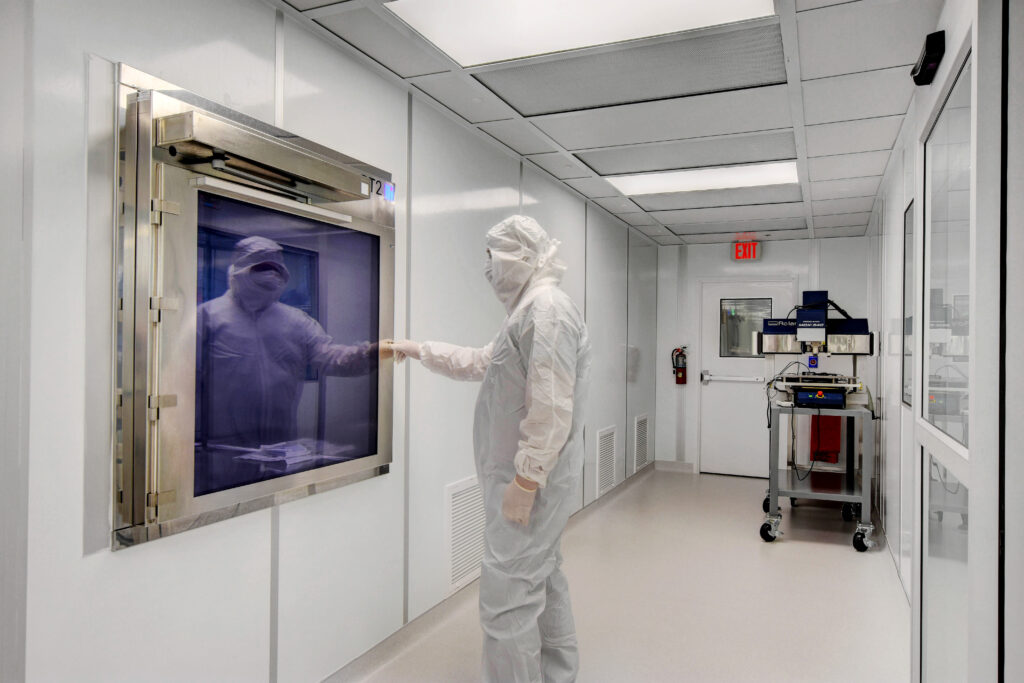
This may not come as a surprise, but human beings are the biggest causes of contamination in cleanrooms. After all, they shed around 1 billion particles per day. Think of all the particles from our skin and hair, as well as all the droplets from breathing and speaking. Much of this still occurs when we are standing still, though of course movement makes matters worse. Some say that human beings account for more than 80 percent of contamination in controlled environments.
All of this is true, without even mentioning the products that people put on themselves. Items such as lotion, makeup, perfume, and deodorant can each spread countless particles into an otherwise clean environment. And because of this, many cleanrooms forbid their use.
2. Gowning Issues
Assuming that staff wear all the proper garments, the way they dress can still cause issues. Of course, cleanroom attire must cover the body completely and in the right way if it is to be effective. If your shoe covers leave gaps, for instance, contaminants from your feet may escape.
Also, if your attire rips, is used too often, or is washed in the wrong way, it can also shed additional particles.
3. Contamination from Cleaning Products
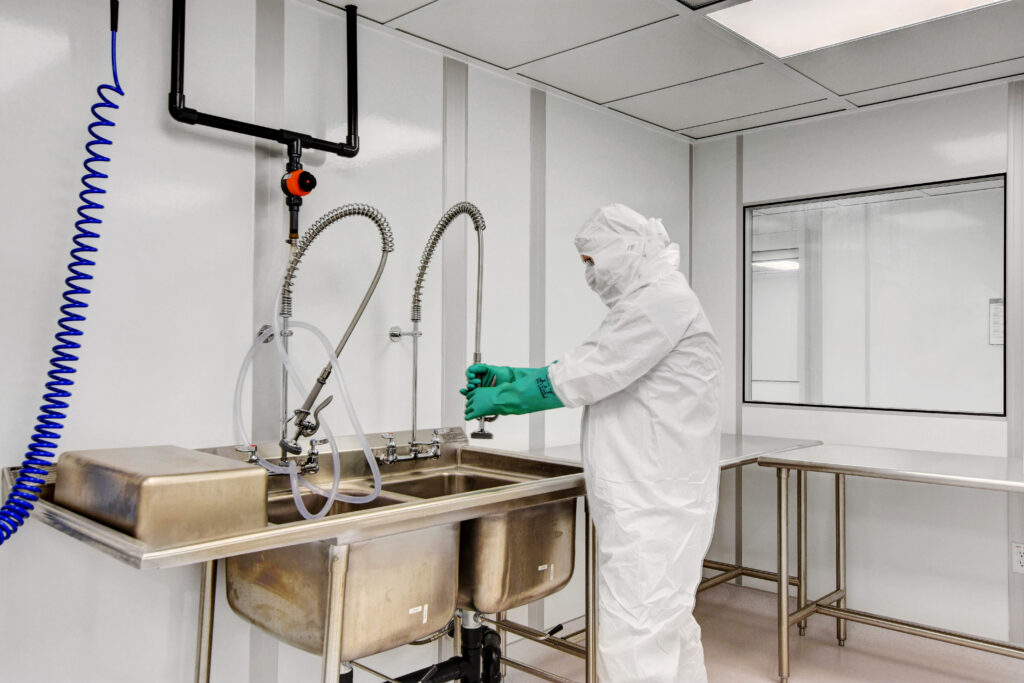
Most people don’t realize that the cleanroom cleaning process itself often introduces more particles if done incorrectly. For one, cleaning tools themselves can shed particles (like mops and wipes), and cleaning chemicals that are left behind can leave residues that may potentially become airborne or else erode materials over time, leaving crevices where particles can then more easily accumulate.
4. Contamination from Equipment
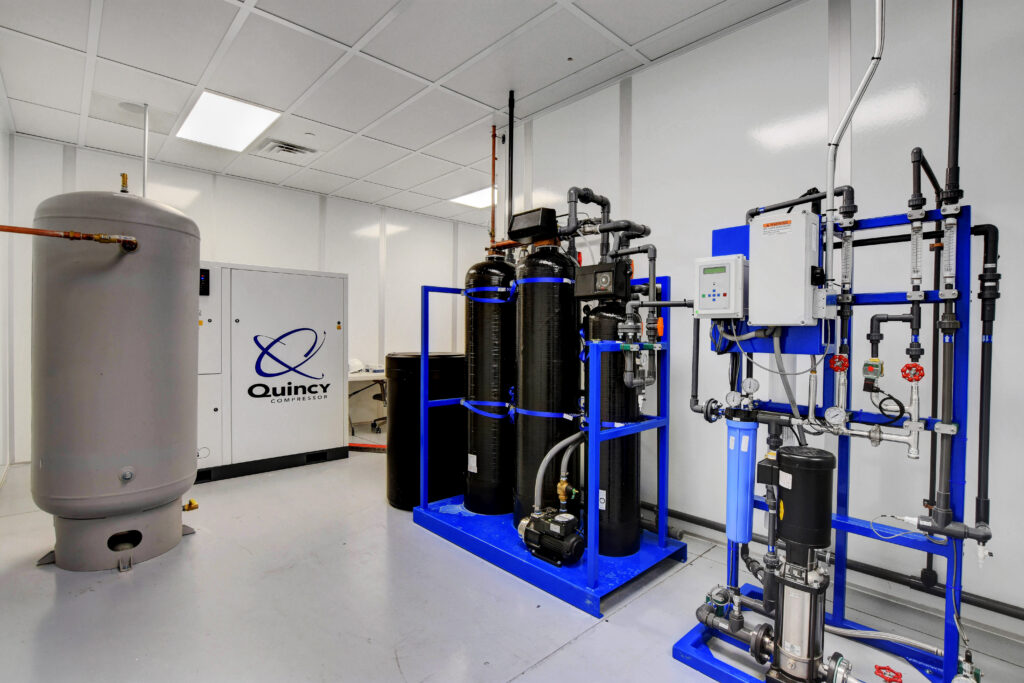
Another common source of cleanroom contamination, though not often enough considered, is equipment. Many machines have things like motors and fans that can release particles into the air. If your equipment vibrates, this can also stir up settled particles that may fall onto areas where products/research are the most vulnerable.
5. Airflow and Filtration Issues
Furthermore, airflow is another aspect of cleanrooms that, if not working correctly, can lead to significant contamination buildup. In cleanrooms, air must move in a certain direction/pattern, namely one that pushes particles away from areas where the most important work is being done, and toward exhausts grilles where the air is then either recirculated through filters or removed. If cleanrooms get any of this wrong, millions of particles can accumulate in places you don’t want them to.
The Bottom Line
Most contamination in cleanrooms does not come from big accidents. It usually comes from deviations from the required routines or procedures. Something as seemingly small as a skipped step in while putting on gowning can lead to shutdowns and compromised work. For this same reason, it’s important to always be vigilant about necessary cleanroom protocol.