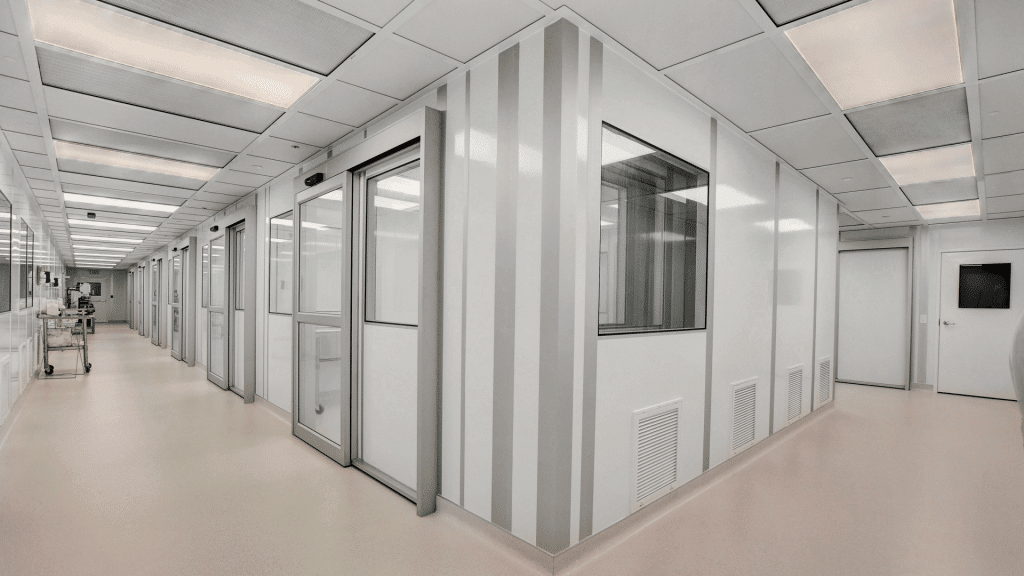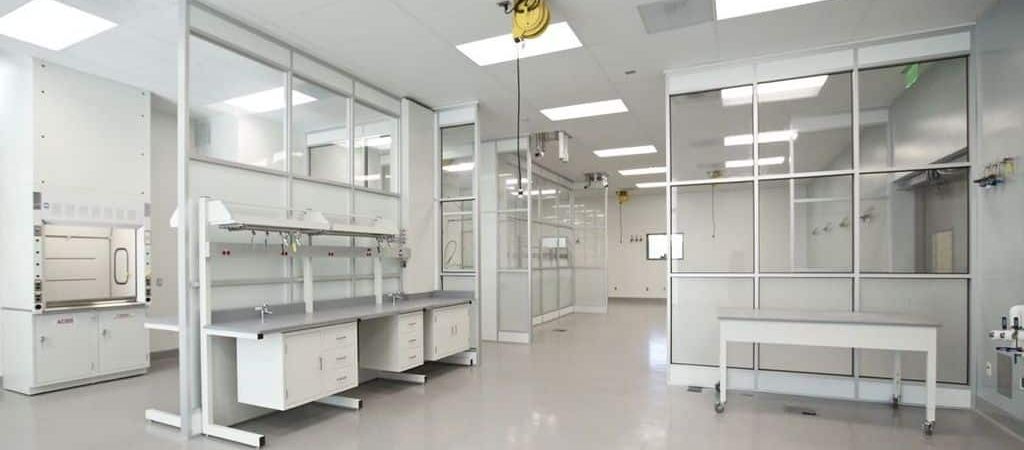
Pharmacies that start work on a new cleanroom may hear the term “cGMP” used next to 503A. This can, of course, create some real confusion about what is required.
Is cGMP something that 503A pharmacies have to follow in general, or is it just a higher standard that some choose to use?
In this article, we’ll cover what “503A cGMP cleanroom” means, the basics of 503A cleanroom regulations, and why the term “cGMP” continues to be used.
What Is a 503A cGMP Cleanroom?
Though this is a question that many have, technically speaking, “503A cGMP cleanroom” is not a formal category. The term instead describes a cleanroom in a 503A compounding pharmacy that applies some cGMP-style controls, even though cGMP is technically not required.
So why bother?
Many 503A pharmacies choose to adopt certain cGMP practices on purpose to make inspections/audits easier to pass by leaning into what the FDA is already looking for, as well as to reduce contamination in general, and to put tighter controls over their space.
Because USP standards remain the compliance benchmark for 503A pharmacies, these added cGMP-style controls and practices help them maintain compliance more consistently.
To put that in context, it helps to look at how 503A pharmacies are regulated.
How Are 503A Cleanrooms Regulated?
A 503A cleanroom helps create the conditions for sterile compounding under USP 797.
This chapter sets requirements for facility design within sterile compounding areas, ISO classification, pressure relationships, environmental monitoring, and practices too. When hazardous drugs are involved, it also has to add USP 800 requirements for containment.
State boards of pharmacy enforce these standards, and carry out routine inspections and investigate complaints.
The FDA does not regulate 503A pharmacies as manufacturers under 21 CFR Parts 210 and 211. However, the agency still has authority to inspect 503A compounding pharmacies. During such inspections, the FDA focuses on sterility, how well contamination is controlled, and documentation.
This is where cGMP-style expectations sometimes enter the conversation.
The main legal requirement is compliance with USP 797 and, where relevant, USP 800. Full federal cGMP is not mandatory for 503A pharmacies.
Why the Term ‘cGMP’ Gets Used
When people hear ‘cGMP,’ they tend to think of higher standards. In many industries, it tends to signal tighter controls and more formal systems.
In a 503A pharmacy context, it means that a pharmacy has chosen to go beyond bare USP minimums. And this may include things like:
- Better and more frequent environmental monitoring.
- Clearer written procedures and recordkeeping.
- More formal handling of deviations or excursions.
None of these on its own, of course, converts a 503A facility into a cGMP manufacturer. But it helps significantly when preparing for inspections.
503A vs. 503B cGMP Cleanrooms
Naturally, there’s often a lot of confusion around this topic, especially because 503B outsourcing facilities have to comply with cGMP.
The main difference is in regulations and scope.
A 503B outsourcing facility may compound in bulk without patient-specific prescriptions; it also operates under direct FDA oversight.
A 503A pharmacy, on the other hand, compounds pursuant to patient prescriptions. They do not typically compound in bulk except to anticipate individual prescriptions, and are regulated primarily under USP standards and state boards of pharmacy.
Even if a 503A cleanroom adopts some cGMP-style practices, it does not become a 503B facility and is not legally classified as cGMP.
The Bottom Line
In short, a “503A cGMP cleanroom” is not a formal regulatory category. A 503A pharmacy is governed by USP 797 and, where applicable, USP 800. It is not required to comply with full cGMP.
When the term “cGMP” is used in this context, it refers to extra controls that go beyond the minimum requirements.
Pharmacies sometimes do this to improve inspections and the control of contamination, but they do not change the pharmacy’s regulatory classification in any way.
FAQs About 503A “cGMP” Cleanrooms
Can a 503A pharmacy voluntarily comply with full cGMP?
Yes. A 503A pharmacy can decide to follow cGMP-style practices or model parts of its operation after 21 CFR Parts 210 and 211. That’s a business choice. But doing that alone does not turn the pharmacy into a 503B outsourcing facility. It remains a 503A unless it formally registers with the FDA as a 503B.
If a 503A cleanroom exceeds USP minimums, does that change its classification?
No, exceeding USP requirements does not change regulatory status. A 503A pharmacy remains a 503A pharmacy unless it formally registers as a 503B facility.
Why does the FDA inspect 503A pharmacies if they are state regulated?
Even though 503A pharmacies are mainly regulated by state boards of pharmacy, the FDA still has authority under federal law to inspect them. That authority doesn’t disappear just because the state is the primary regulator. If there are concerns about sterility, patient safety, or how products are being distributed, the FDA can step in and conduct an inspection.